Choosing a gift is like picking a song for a playlist—you want something that resonates, feels personal, and won’t get stuck on repeat. When the occasion calls for a heartfelt token, handmade gifts rise to the occasion like a fresh batch of cookies: warm, unique, and impossible to replicate. This guide will walk you through the art of selecting handmade gifts that feel authentic, ensuring your present stands out from the mass‑produced crowd.
Why Handmade Gifts Matter
Imagine walking into a room full of identical white‑box presents. Now picture a small, hand‑stitched quilt with a story stitched into every corner. The latter invites conversation, creates memories, and shows the giver truly cared. Handmade items carry the maker’s time, skill, and personality—qualities that mass‑produced items simply can’t match.
- Personal touch: Each piece reflects the creator’s hand, making it one‑of‑a‑kind. Sustainability: Often made with local, eco‑friendly materials. Community support: Buying handmade keeps small artisans alive.
The First Step: Know Your Recipient
Before diving into the market, ask yourself: What does this person value? The authenticity of a gift hinges on how well it aligns with the recipient’s tastes, lifestyle, and values.
Gather Clues
- Hobbies: A pottery lover might appreciate a hand‑thrown mug. Lifestyle: A minimalist may favor a simple, well‑crafted wooden box. Values: If sustainability matters, look for ethically sourced materials.
A Quick Anecdote
Last year, I gifted my friend a hand‑woven scarf. She said, “It’s like wearing a hug.” That simple, warm feeling is exactly what authentic handmade gifts aim to evoke.
Where to Find Genuine Handmade Treasures
The internet offers countless marketplaces, but not all are created equal. Here’s how to sift through the noise.
Trusted Platforms
- Etsy: Known for its artisan community, but always check seller reviews. Local craft fairs: Direct interaction with creators guarantees authenticity. Artisan cooperatives: Groups of makers who share quality standards.
Red Flags to Avoid
- Mass‑produced “handmade” labels: Look for detailed process descriptions. Anonymous sellers: A lack of personal story can hint at a bulk operation. Unrealistic prices: If it’s too cheap, it may be a mass‑produced knock‑off.
Evaluating Craftsmanship
Once you’ve found a potential gift, assess its quality. Authentic handmade items often exhibit subtle imperfections that tell a story—like the gentle wobble in a hand‑painted mug.
Key Indicators of Authenticity
- Material integrity: Natural fibers, untreated wood, or unglazed ceramics. Hand‑finished details: Visible seams, hand‑stitched patterns, or hand‑carved motifs. Maker’s signature: A small tag or handwritten note adds personal credibility.
The “Touch Test”
Hold the item. Does it feel solid? Are there signs of careful construction? A well‑made piece should feel like Board games a companion rather than a contraption.
Matching the Gift to the Occasion
A gift’s impact depends on how well it fits the moment.
- Birthdays: Something that grows with the person, like a hand‑crafted journal. Anniversaries: A personalized wooden plaque or hand‑painted vase. Thank‑you: A small, meaningful token—hand‑stitched bookmark, custom keychain.
Rhetorical Questions
- Do you want a gift that whispers “I know you” or one that shouts “I bought this on Amazon?” Is the present a conversation starter or a silent wallflower?
Adding Personal Touches
Even the most authentic handmade gift can feel more personal with a few thoughtful additions.
Customization Options
- Engraving: Add initials or a meaningful date. Color choice: Pick hues that resonate with the recipient’s palette. Packaging: Wrap in recycled paper with a handwritten note.
The Power of Storytelling
“People will forget what you said, but they’ll never forget how you made them feel.” – Maya Angelou. By sharing the story behind the gift—why you chose it, who made it—you amplify its emotional resonance.
Budgeting for Authenticity
Handmade gifts can range from modest to extravagant. Set a realistic budget before you start shopping.

- Low‑budget: Small items like hand‑painted coasters or custom candles. Mid‑range: Hand‑crafted jewelry or artisanal pottery. High‑end: Custom furniture or bespoke artwork.
Tips to Stay Within Budget
- Prioritize quality over quantity: A single, well‑made piece beats several mediocre ones. Negotiate: Many artisans are open to price adjustments for bulk orders or repeat customers. Use seasonal sales: Some marketplaces offer discounts during holidays.
Final Checklist Before You Buy
- Is the maker’s story authentic? Look for transparency. Does the item feel handmade? Check for hand‑finished details. Does it fit the recipient’s style? Align with their preferences. Is the price fair? Compare similar items from reputable sources.
Making Your Selection Count
Choosing a handmade gift that feels authentic isn’t just about finding a pretty object—it’s about creating a meaningful experience. When you combine thoughtful research, appreciation for craftsmanship, The Iconic and a touch of personalization, you turn a simple present into a lasting memory.
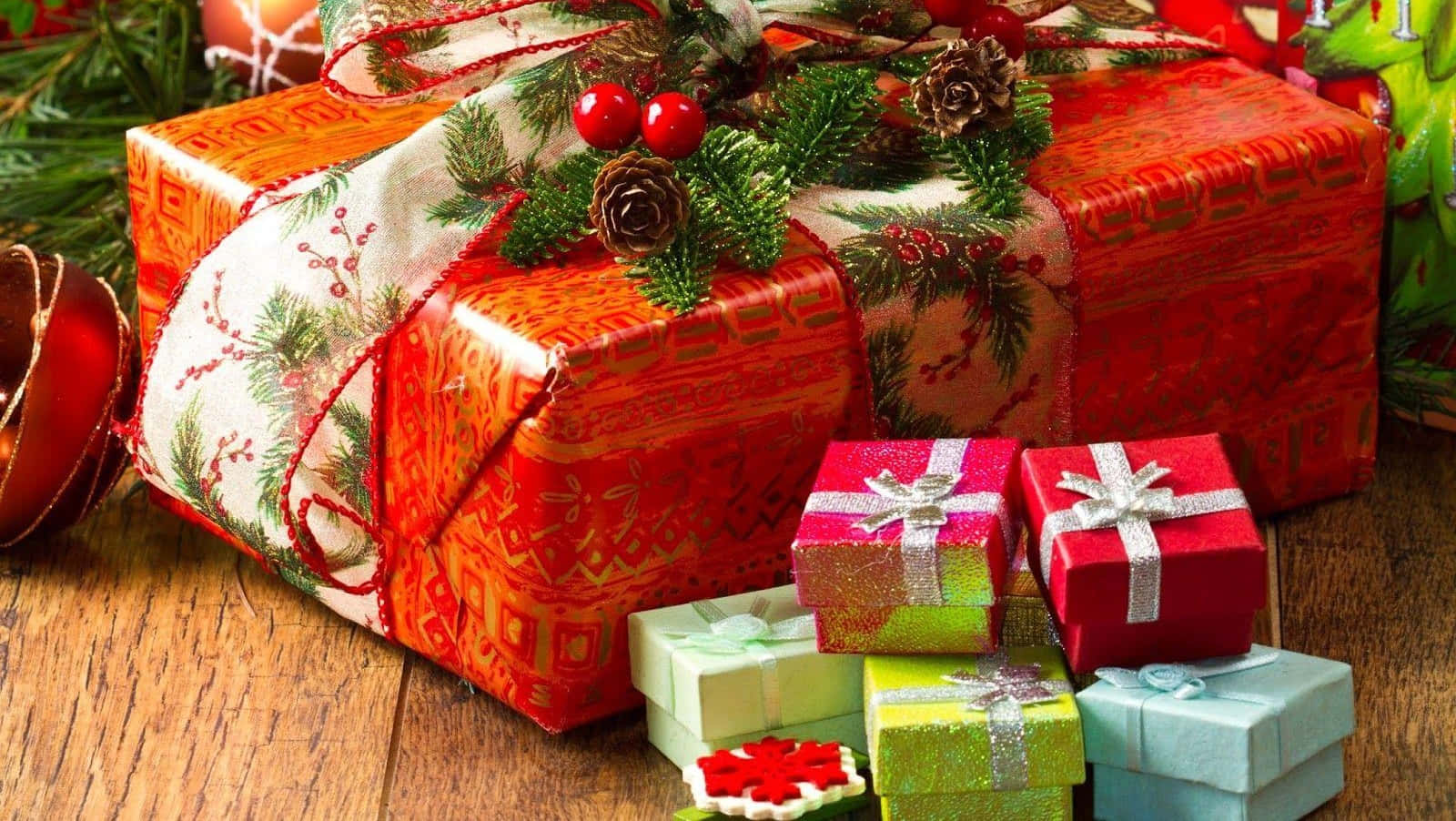
Take a moment to reflect: What story will your gift tell? When you walk away with that answer, you’re ready to give a gift that will be cherished long after the wrapping paper is gone.